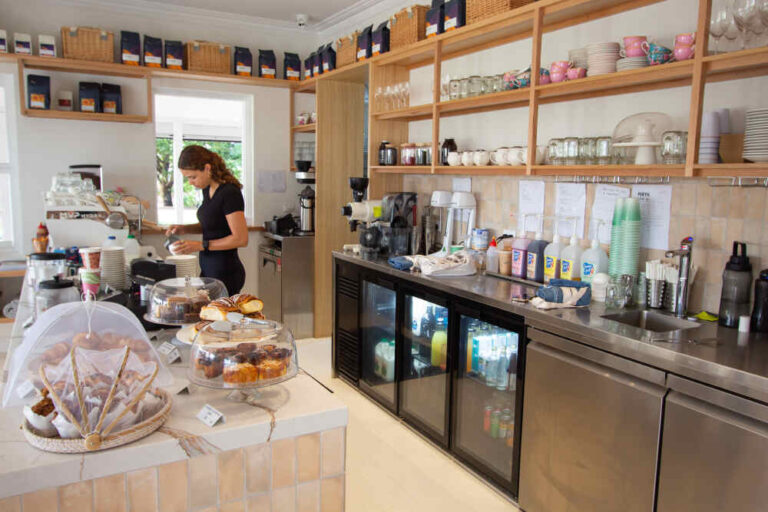
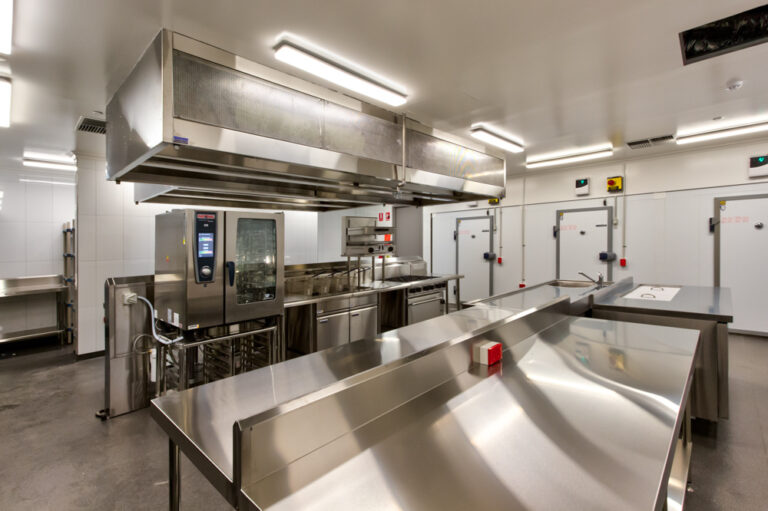
Practical tips for designing a small café kitchen layout that maximises space, improves workflow and supports efficient service.
Designing a small café kitchen layout requires careful planning. In compact hospitality venues, every piece of equipment, bench and storage area needs to work efficiently to support speed of service, staff workflow, food safety and space limitations. Without careful planning, equipment placement and storage can quickly create bottlenecks that slow down service and increase pressure on staff.
A well organised café kitchen design allows staff to move easily between preparation, cooking and service areas. When a coffee shop kitchen layout is planned properly, cafés can serve more customers, reduce congestion behind the counter and maintain safe food handling practices even during busy service periods. Good kitchen layout design improves productivity, supports smoother service and helps reduce labour pressure by allowing staff to work more effectively within the available space.
For café owners, hospitality startups and designers planning a commercial café kitchen design, the challenge is creating a layout that balances workflow, equipment placement and storage without overcrowding the space. The following tips can help you create a practical small commercial kitchen layout that maximises efficiency in small cafés.
Plan Your Small Café Kitchen Layout with a Scaled Floor Plan
Every successful café kitchen design begins with a scaled floor plan. Planning your small café kitchen layout in detail helps identify potential bottlenecks before installation begins. Poor planning can lead to congestion, staff crossing paths and inefficient work areas that slow down service.
Your plan should include:
Accurate room measurements
Service counter location
Equipment footprint
Staff movement zones
Customer pickup areas
Customer flow from ordering to collection
Taking the time to map the layout properly helps ensure equipment fits comfortably within the space and staff can move efficiently during service.
Define Your Café Concept First
A practical café kitchen design always starts with the café concept.
Before designing the layout, consider:
If the café will offer takeaway, dine-in or both
Whether food will be prepared on site
What cooking equipment will be required
How many coffees will be served daily
What milk varieties need refrigeration
These decisions affect the amount of refrigeration, preparation space and cooking equipment needed in the cafe kitchen layout. Defining the concept early helps ensure the kitchen supports the menu and service style from the start.
Design the Coffee Workflow
In most cafés, coffee is the main revenue driver, so the coffee bar layout design plays a central role in the overall kitchen layout.
An efficient coffee station should follow a clear, one-directional workflow:
Order → Coffee preparation → Pickup
A well-planned coffee shop kitchen layout should consider:
Grinder placement
Milk fridge position
Cup storage
Barista movement
Built-in knock boxes and drip trays
Careful planning of the coffee station helps keep the barista workspace efficient and prevents equipment from spilling into surrounding preparation areas.
Create a Circular Commercial Kitchen Workflow
Efficient commercial kitchen workflow is essential in compact spaces.
A practical layout often follows a circular flow:
Storage → Preparation → Cooking → Service → Cleaning
This approach helps ensure ingredients move logically through the kitchen while reducing unnecessary staff crossover.
Mapping out processes before finalising the layout helps ensure staff can move easily between work zones without creating congestion during busy service periods.ficient and prevents equipment from spilling into surrounding preparation areas.
Separate Customer Pickup from Staff Workflow
Customers waiting for their orders can easily disrupt staff workflow if pickup areas are not clearly defined.
Good café fit-out design includes:
A clearly defined ordering and payment point
A dedicated pickup area for both coffee and food orders
Standing space for customers waiting for their orders
Clear separation from staff preparation areas
Careful planning of the coffee station helps keep the barista workspace efficient and prevents equipment from spilling into surrounding preparation areas.
Rethink Traditional Hot Displays
Hot display cabinets can create challenges in smaller cafés.
They often result in:
Food wastage
Higher energy consumption
Reduced preparation space
Many cafés now prepare food as required using fast cooking equipment rather than holding items in heated displays for extended periods. This reduces waste, improves food quality and frees up valuable counter space in a small café kitchen layout.
Use Multi-Function Cooking Equipment
Multi-purpose equipment is extremely valuable in a small commercial kitchen layout.
Equipment such as turbo ovens or speed ovens allow cafés to prepare food quickly to order rather than relying on hot holding. These compact units can replace several appliances including microwaves, slam toasters and small ovens while cooking and reheating food in seconds.
This reduces the number of appliances required and frees up valuable bench space.
Popular options include models such as the Merrychef E1S, Merrychef e3, and the Merrychef conneX series, including the conneX12 and conneX16, which deliver high-speed cooking performance in a compact footprint suitable for busy cafés.
Bench-top cooking equipment can also provide flexibility in small café kitchens, allowing cafés to expand or adjust their menu without installing large appliances.
Gas cooking equipment can create challenges in a small café kitchen layout. Gas appliances typically require large ventilation canopies and additional clearance from walls, which reduces usable space. Gas equipment also produces more heat, making small kitchens uncomfortable during busy service periods.
Electric appliances are often a more practical alternative. Electric equipment allows:
Installation without large ventilation canopies
Equipment positioned closer to walls
Lower heat levels in the kitchen
These advantages can make it easier to design a more flexible and space-efficient commercial café kitchen layout.
Use Refrigeration as Work Surfaces
In compact kitchens, refrigeration equipment can double as preparation space, helping maximise the use of limited bench areas.
Common solutions include:
Worktop fridges
Worktop freezers
Combination fridge and freezer units
Refrigerated drawer systems
Worktop refrigeration units, often referred to as prep fridges, are particularly useful in café kitchens because they allow ingredients to be stored directly below the preparation area while the top of the unit functions as a work surface. This keeps frequently used ingredients within easy reach and helps maximise space in small kitchen layouts.
Modern solutions such as SKOPE refrigeration are designed to maximise efficiency while reducing energy consumption. Many SKOPE units include SKOPE-connect, allowing temperatures and performance to be monitored directly from a phone. SKOPE refrigeration is also GEM certified, helping cafés reduce electricity costs while meeting Australian energy efficiency standards.
Cold beverage service should also be considered when planning refrigeration. Many cafés benefit from installing a dedicated ice machine rather than storing ice in freezers.
Storing ice in freezers wastes valuable freezer space and adds labour during service.
A commercial ice machine produces ice on demand for iced coffees, cold drinks and other beverages, while freeing up freezer capacity for food storage. This makes it a more efficient option for busy cafés where ice is used throughout the day.
Dedicated ice machines also improve hygiene and consistency, as ice is produced and stored in a controlled environment rather than being handled and transferred between containers.
Choose Space-Saving Display Solutions
Display refrigeration can take up valuable floor space in a small café kitchen layout.
Compact display refrigeration allows food to be presented clearly to customers while maintaining an efficient service area. Using drop-in display units instead of stand-alone cabinets allows the display to be integrated directly into the counter, helping maximise space and improve workflow behind the service area.
Benefits include:
Cleaner counter appearance
Additional storage underneath
Improved workflow behind the counter
Where drop-in units are not practical, compact countertop display fridges can also provide an efficient way to present food without taking up excessive floor space.
Choose Compact Warewashing Equipment
Dishwashing equipment should match the scale of the café. In many cafés, undercounter dishwashers provide an efficient solution because they take up far less space than larger pass-through machines while still handling the volume of cups, plates and utensils used during daily service.
Undercounter dishwashers are well suited to small commercial kitchen layouts because they offer:
Compact footprint
Fast wash cycles
Energy efficient operation
These machines allow cafés to maintain clean crockery and glassware throughout the day without sacrificing valuable kitchen space.
Compact commercial warewashing systems such as MEIKO undercounter dishwashers, including the MEIKO Upster range,are designed specifically for busy hospitality environments, delivering fast wash cycles and reliable performance while fitting comfortably into smaller kitchen layouts.
In a small café kitchen layout, every section of bench space matters. Work surfaces are often used for multiple tasks throughout the day, including food preparation, drink assembly and equipment placement.
Useful solutions include:
Sink covers for extra preparation space
Integrated coffee knock boxes and drip trays
These small design details help maximise usable workspace without increasing the overall kitchen footprint.
Important tip: Hand wash basins should always remain accessible and must never be covered.
Maximise Vertical Storage
When floor space is limited, making use of vertical storage becomes essential in a small café kitchen layout. Using wall space and the areas above and below benches allows cafés to store equipment, ingredients and supplies without overcrowding preparation areas.
Effective storage options include:
Overhead shelving
Wall-mounted racks
Double shelving under benches
Storing frequently used items on overhead shelving also helps staff access equipment quickly during busy service periods.
Benches with double undershelves, such as Simply Stainless benches, provide additional storage underneath the work surface without increasing the kitchen footprint.
Blenders used for smoothies, frappes and iced drinks can generate significant noise, which can disrupt communication between staff and affect the customer experience in small cafés.
Using commercial blenders with sound covers helps reduce noise levels while maintaining the speed and performance needed during busy service periods.
Sound-enclosed blender models are designed specifically for hospitality environments and are commonly used in cafés preparing smoothies, milkshakes and iced beverages throughout the day, allowing drinks to be prepared quickly without creating excessive noise behind the counter.
Use Furniture with Built-In Storage
Storage opportunities should also be considered in customer areas, particularly in small cafés where seating space is limited. Well-designed furniture can provide additional storage without increasing the overall footprint of the café.
Examples include:
Bench seating with storage compartments
Service counters with built-in storage
Dedicated storage for takeaway cups and packaging
Cafés often use large volumes of takeaway cups, lids and packaging, so incorporating storage into furniture helps keep service areas organised while reducing clutter behind the counter.
Basic Café Kitchen Equipment List for a Small Café
In summary, when planning a small café kitchen layout, a typical café kitchen equipment list includes:
• Espresso machine and grinders • Undercounter milk fridge • Speed oven or turbo oven • Undercounter dishwasher • Commercial ice machine • Worktop fridge or freezer • Blender with sound cover • Display refrigeration • Stainless steel preparation benches/ coffee knock boxes, drip trays and bins • Water filtration system
Use Furniture with Built-In Storage
Storage opportunities should also be considered in customer areas, particularly in small cafés where seating space is limited. Well-designed furniture can provide additional storage without increasing the overall footprint of the café.
Examples include:
Bench seating with storage compartments
Service counters with built-in storage
Dedicated storage for takeaway cups and packaging
Cafés often use large volumes of takeaway cups, lids and packaging, so incorporating storage into furniture helps keep service areas organised while reducing clutter behind the counter.
Planning a New Café or Renovating an Existing Space?
In summary, when planning a small café kitchen layout, a typical café kitchen equipment list includes:
Getting the kitchen layout right early can prevent costly changes later. Designing an efficient commercial kitchen in Australia requires careful planning, the right equipment and a layout that supports fast service.
At Caterlink, we help café owners planning a café fit-out design practical kitchen layouts and select equipment suited to busy hospitality environments.