-
-
Commercial Kitchen Equipment
- Asian Cooking Equipment
- Char Grills
- Combi Ovens
- Convection Ovens
- Cooktops & Ranges
- Deep Fryers & Oil Filters
- Griddles & Flatplates
- Pasta Cookers
- View all
-
Popular Brands
-
Promotions
-
Refrigeration
- Fridges
- Freezers
- Food Preparation Fridges
- Fridge Freezer Combination
- Blast Chiller & Freezer
- View all
-
Popular Brands
-
Promotions
-
Benchtop Cooking Equipment
- Toasters
- Commercial Microwaves
- Crepe & Waffle Makers
- Rice Cookers
- Sandwich Presses
- Smoke Ovens
- Sous Vide Machines
- Soup Kettle
- View all
-
Popular Brands
-
Promotions
-
Beverage & Drink Equipment
-
Popular Brands
-
Promotions
-
-
Dishwashers & Glasswashers
- Glasswashers
- Passthrough Dishwashers
- Undercounter Dishwashers
- Pot Washers
- Conveyor Dishwashers
- View all
-
Popular Brands
-
Promotions
-
Food Preparation Equipment
- Blenders
- Dough Dividers & Rollers
- Food Processors
- Mixers
- Scales
- Slicers
- Vacuum Sealers
- Vegetable Prep Machines
- View all
-
Popular Brands
-
Promotions
-
Ice Machines
-
Popular Brands
-
Promotions
-
-
Stainless Steel Benches & Sinks
- Dishwasher Benches
- Glass Racks
- Hand Basins
- Infill Benches
- Modular Bars
- Sink Benches
- Work Benches
- Wall Shelves
- View all
-
Popular Brands
-
Promotions
- View all categories
-
Commercial Kitchen Equipment



















AI and robotics: solving the problems that matter in foodservice
Australia’s foodservice industry is under real pressure right now.
Labour is hard to secure and harder to maintain. Operating costs keep climbing – staffing, energy, ingredients, compliance. And customers expect faster service, every time, with zero drop in quality or consistency.
None of this is news to anyone running a foodservice operation. The harder question is: what do we do about it?
At Caterlink, we believe artificial intelligence, robotics, automation and emerging technologies will play an important role in addressing these pressures.
We are actively identifying, testing and introducing technologies that respond to real operational needs. Our focus is not technology for its own sake. It is finding practical, cutting-edge solutions that can improve consistency, efficiency, safety, traceability and cost control.
Here’s how we’re approaching it:
1. We take the lead, even without all the answers
We do not claim to know exactly which new technology is right for every foodservice operating issue. Nobody does yet, and anyone who says otherwise is probably only trying to sell something without solving a problem. What we do is bring technology providers, operators and industry specialists into the same room, and create real opportunities to test solutions in working kitchen conditions. That might mean AI-driven inventory and food safety systems, robotics for repetitive prep or dishwashing tasks, or nanotechnology applied to cooking the perfect steak. We stay open to all of it, because the industry doesn’t need hype, it needs what works, and we are there to differentiate.
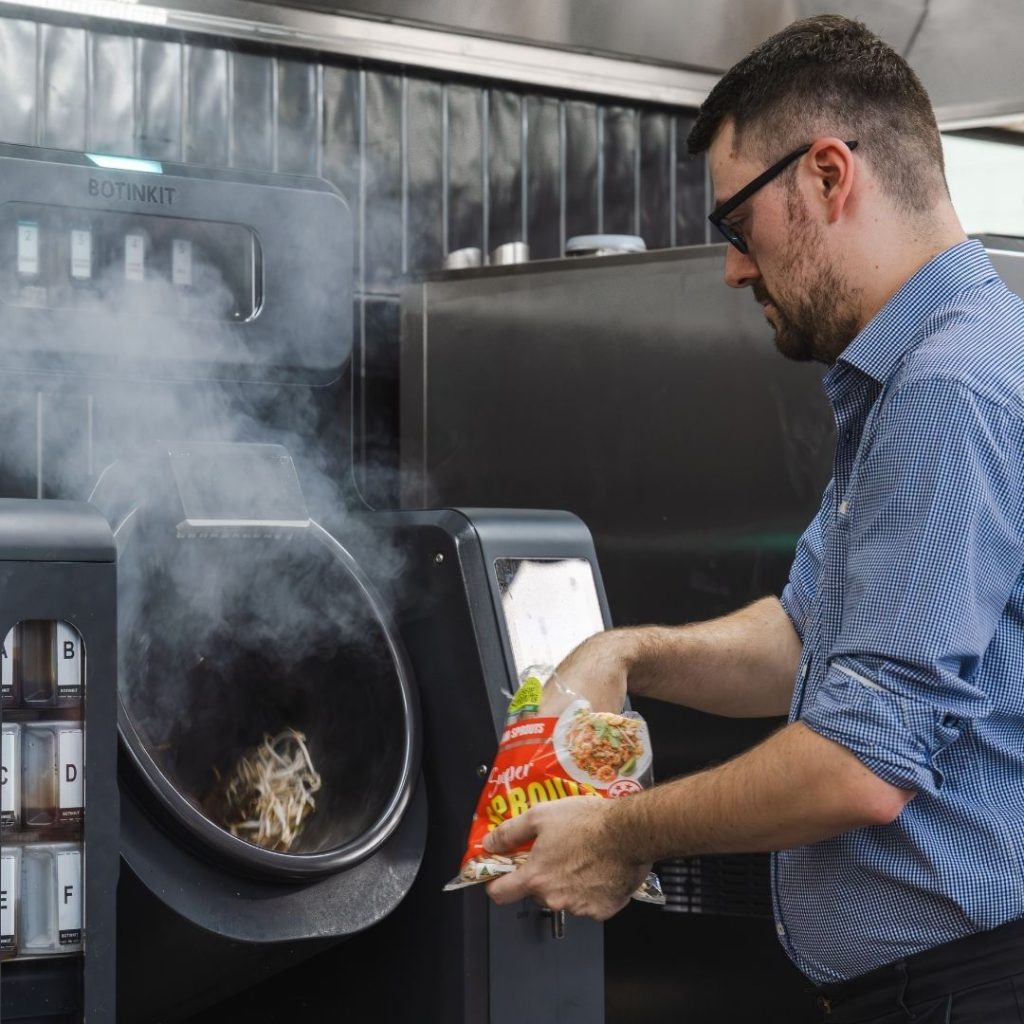
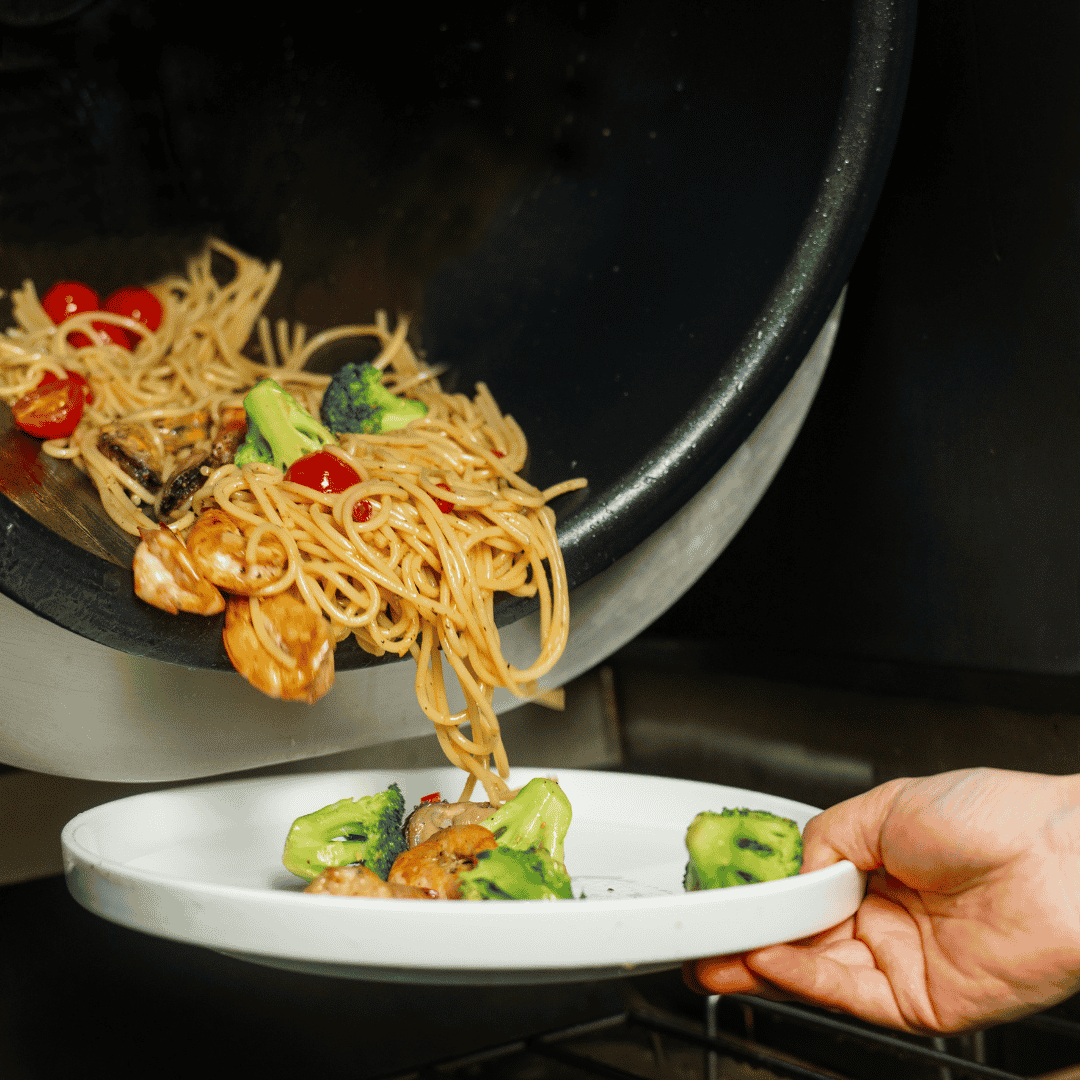
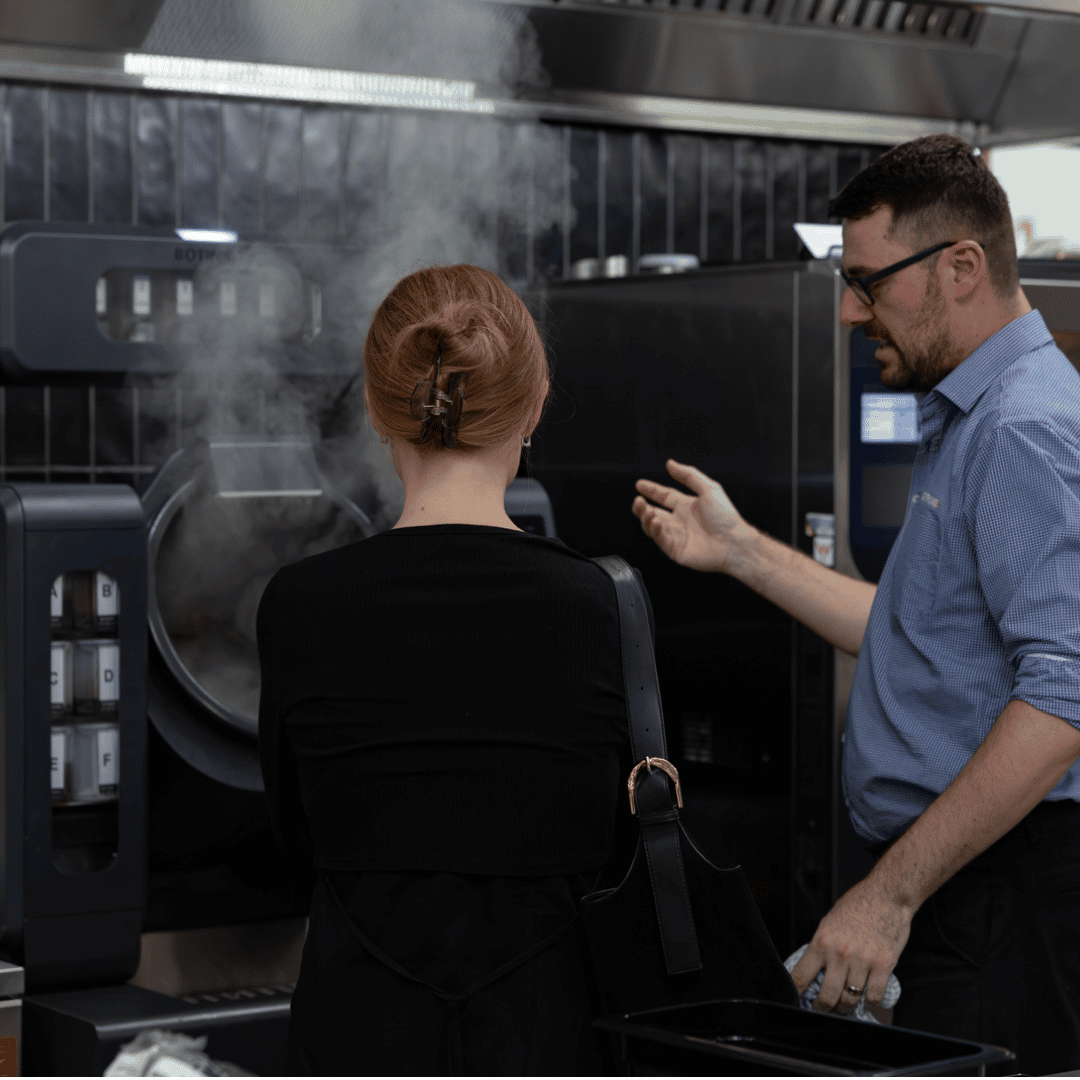
The Botinkit Intelligent Cooking Station ensures automated commercial cooking with consistent results.
𝟮. We seek the right partnership with AI and robotics specialists
This isn’t a passive process. It means research, travel, and sitting through hundreds of pitches from technology providers, most of which won’t make sense for a commercial kitchen, and a few of which genuinely will. We’re upskilling fast on the technology side. Where our expertise lies is food service itself: how a kitchen runs under pressure, where the bottlenecks are at 7pm on a Friday, and what staff genuinely need versus what looks good solely in a demo. Bringing those two worlds together, deep industry knowledge and emerging technology, is where the real value sits. Every partnership we must answer one question: how does this help an operator solve a problem they have today?
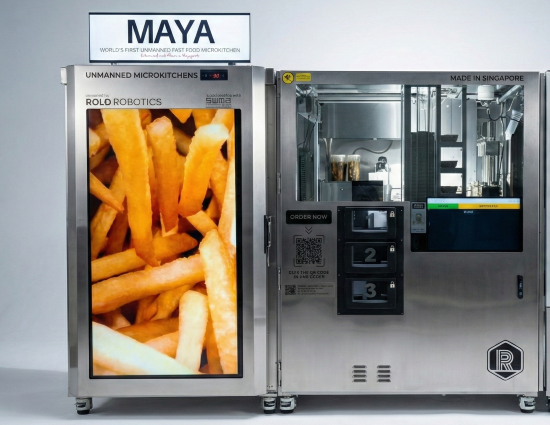
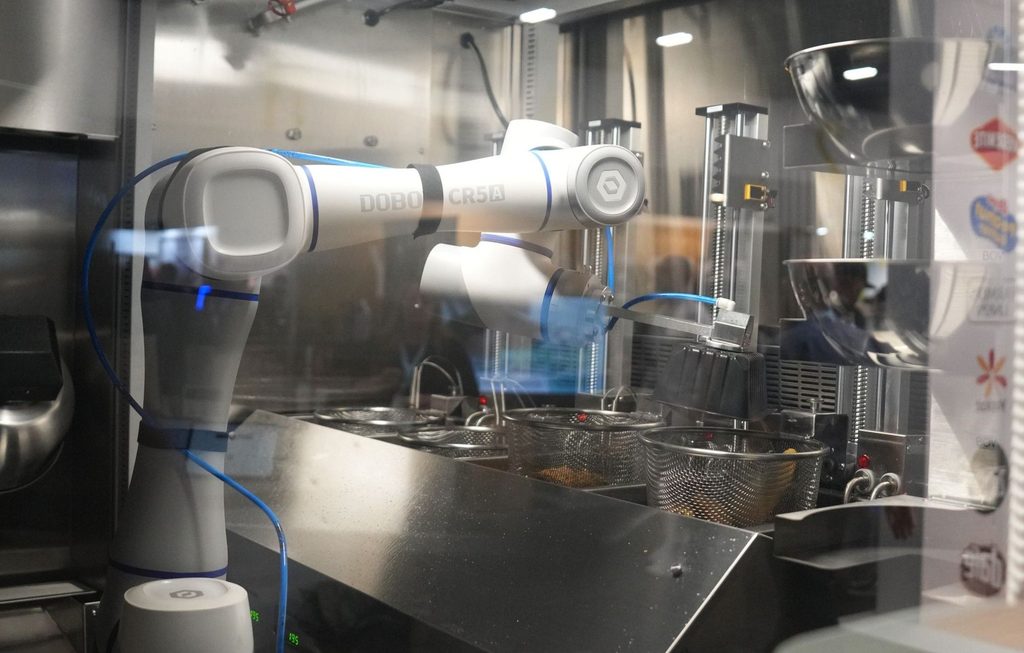
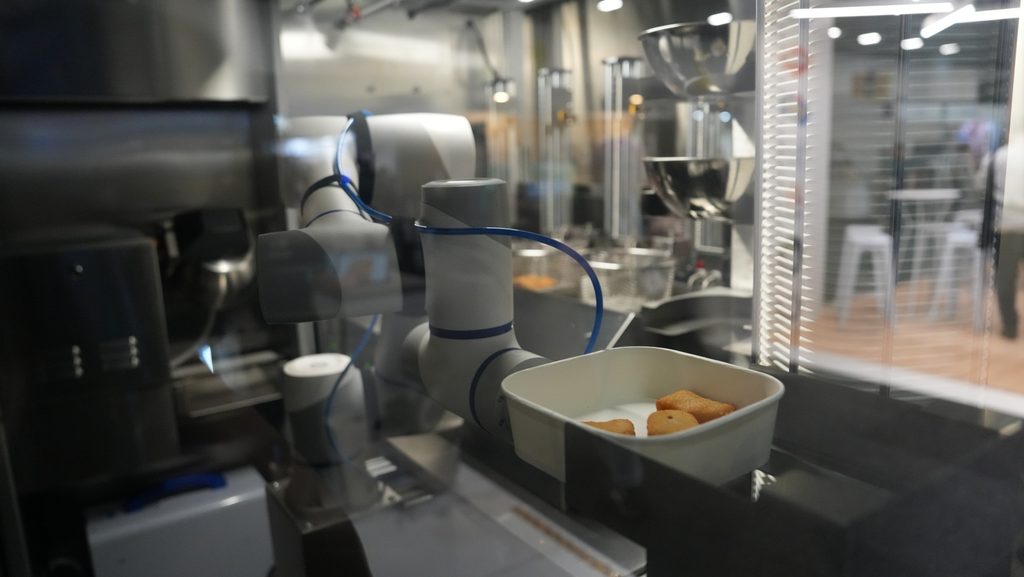
The Micro-FRY is an autonomous food preparation system designed to cook and serve fried menu items quickly and consistently.
3. We connect with leaders and early adopters
No single company, including us, is going to define the future of foodservice technology alone. Progress needs technology providers, suppliers, operators and industry specialists working together, and it needs operators willing to critically examine their own processes rather than assume “this is just how kitchens work.”
That’s why we want to hear from business leaders and early adopters from different industries – healthcare, mining, tertiary education, transport and venues – asking questions like:
→ Which repetitive tasks are pulling our staff away from customers?
→ Where does inconsistency hurt quality or profitability, and where is it just noise?
→ Which processes are difficult to monitor, trace or audit?
→ Where could automation reduce physical strain and workplace injury?
→ Which tasks could technology perform more safely and reliably than we currently manage manually?
→ How could better data, not just more data, support the decisions we make every day?
A presentation can show what a technology is designed to do. Testing it in a working kitchen environment shows what it can actually do.
At Caterlink’s Experience and Innovation Centre in Mulgrave, we bring commercial kitchen equipment, AI-powered systems and robotics together in a practical setting. Operators can see the technology in action, test it and consider how it could work within their own operations.
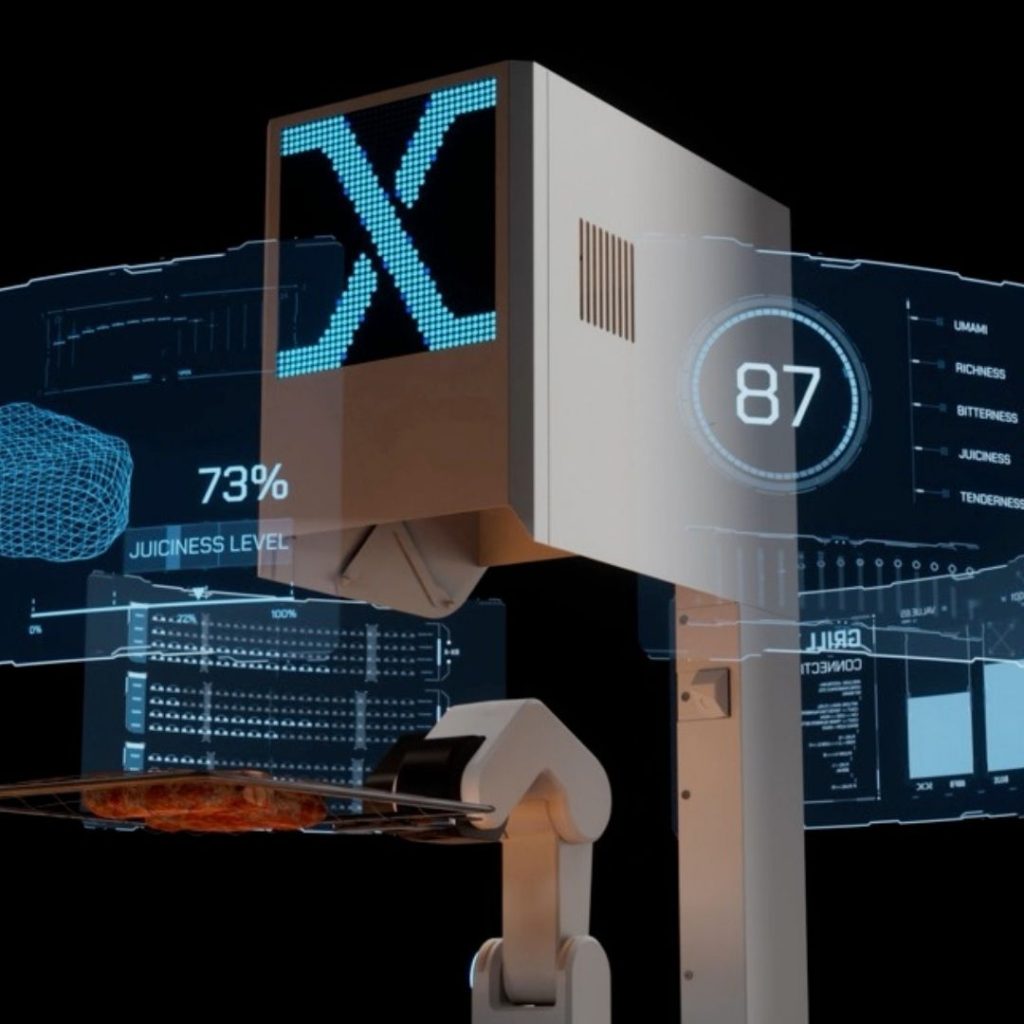
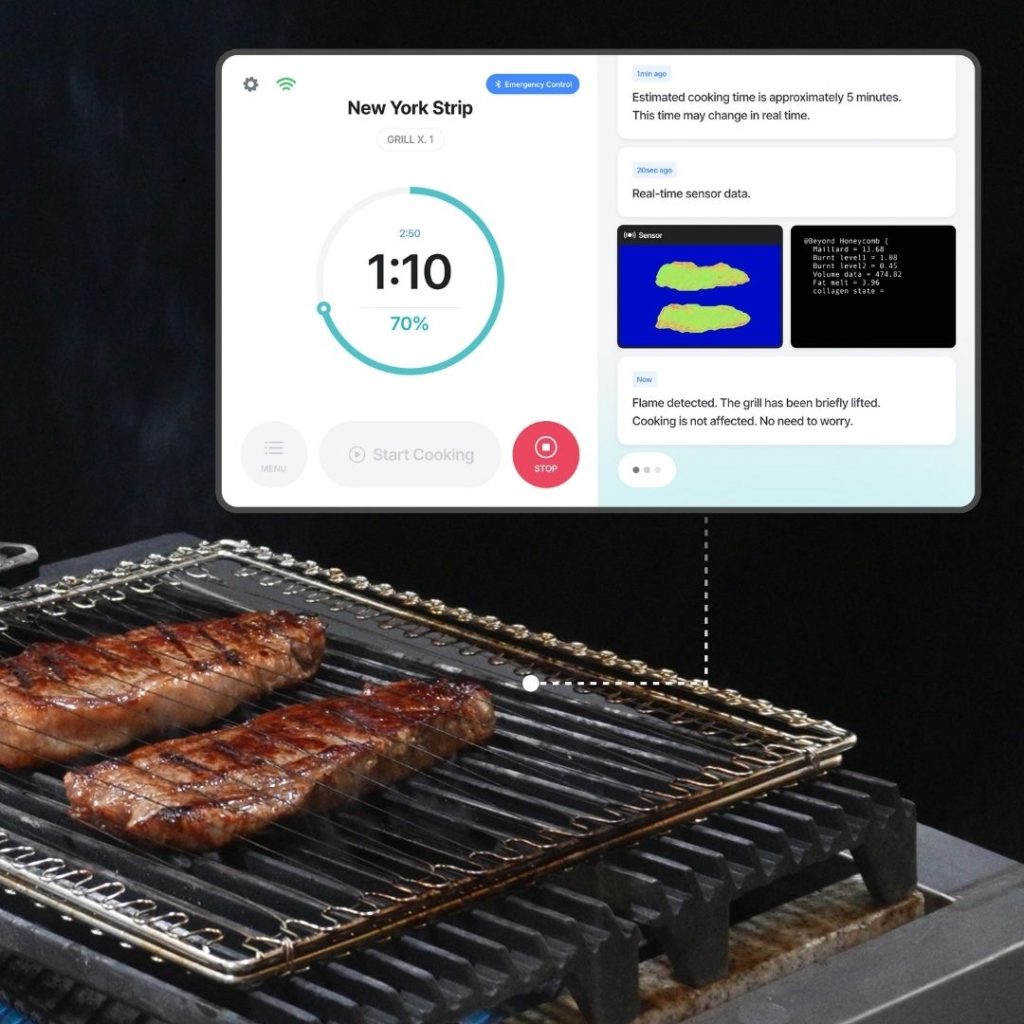
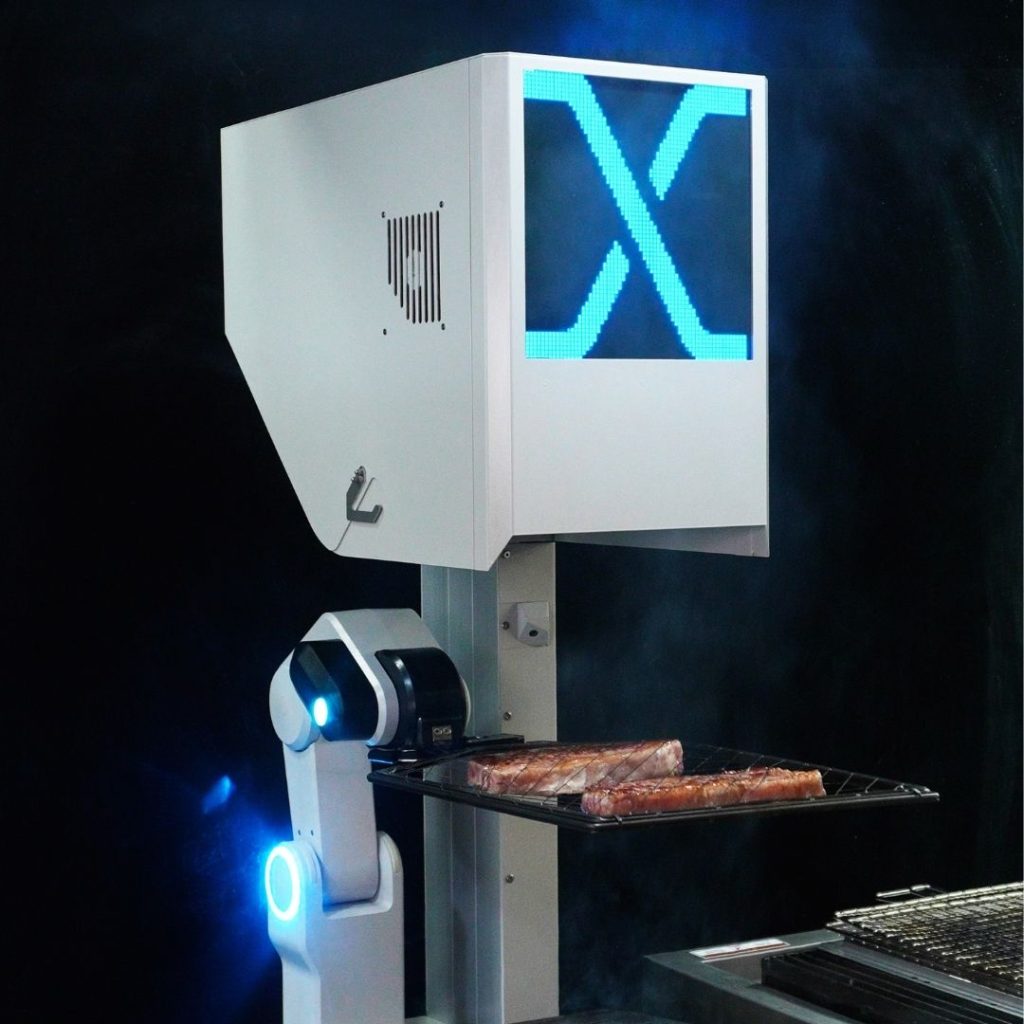
Grill X is an Al-powered robotic grilling system that delivers consistent, chef-level results cross your entire operation, regardless of staff experience or kitchen volume.
4. We keep the “WHY’ in focus
The purpose of robotics and automation should not simply be to replace manual tasks. It should be to help people work more safely, consistently and effectively.
Repetitive lifting, long-distance transport, constant monitoring and physically demanding processes can contribute to fatigue, injuries and staff turnover. These pressures are particularly significant across healthcare, aged care, hospitality and high-volume food production.
Robotics can take on selected repetitive or physically demanding tasks. AI-powered systems can provide greater control over recipes, cooking processes, inventory and food safety. Automation can also give teams clearer, more reliable information when making operational decisions.
Applied properly, these technologies can allow skilled staff to spend more time on the work that benefits most from human judgement, care and interaction.
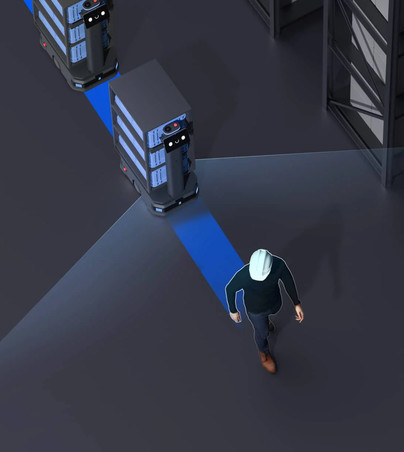
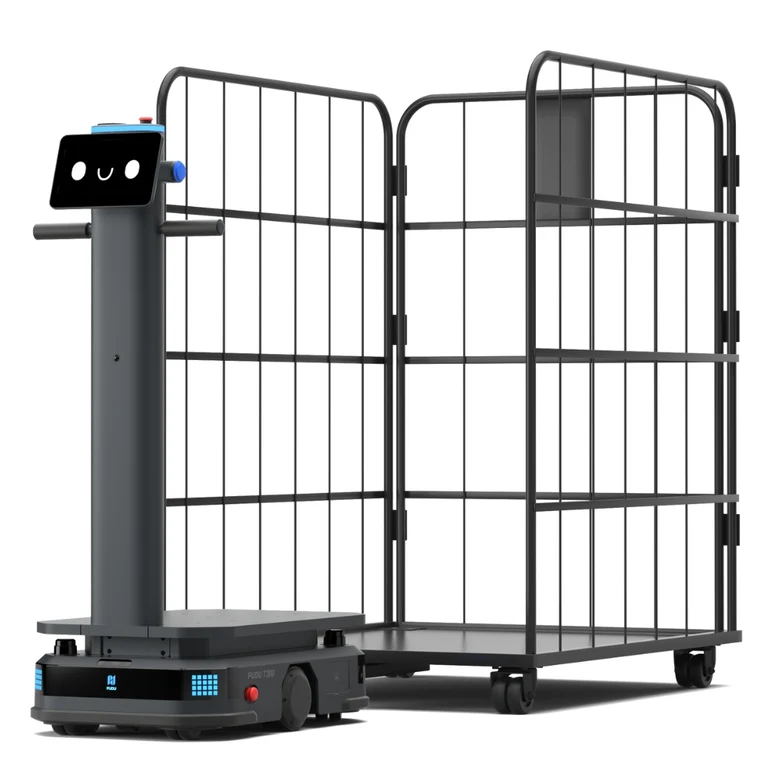
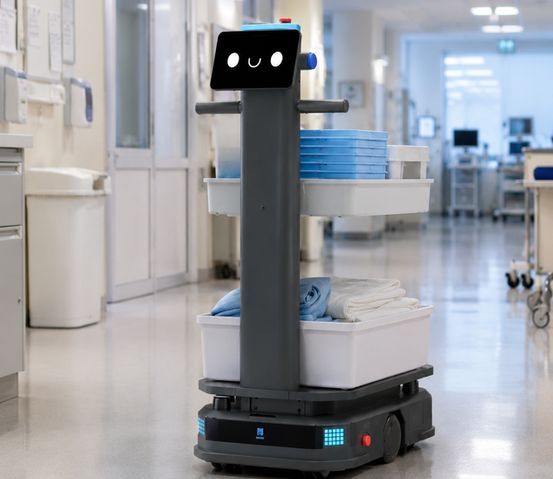
Designed to work alongside your team, the PUDU T300 autonomous delivery robot takes care of repetitive transport tasks so your people can focus on customers, patients and higher-value work.
Turning innovation into practical action
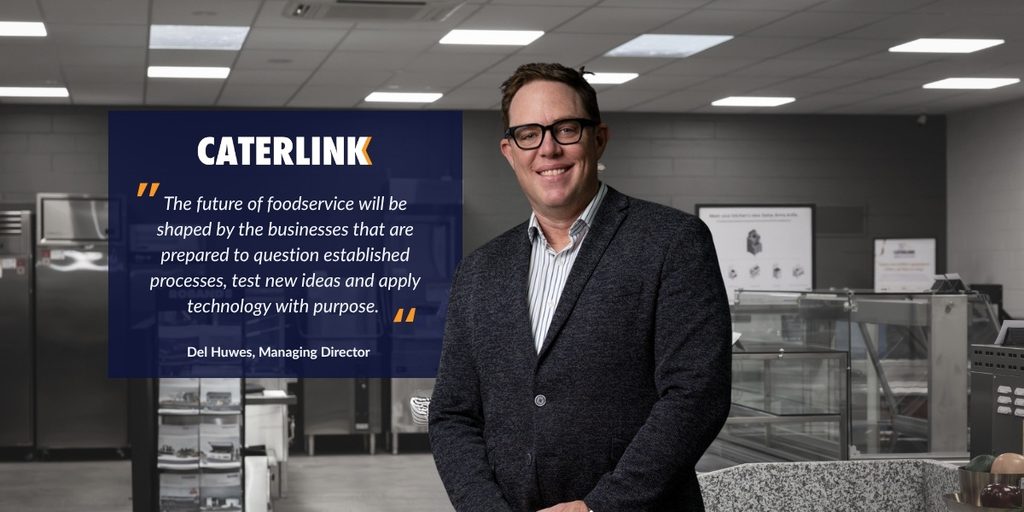
The future of foodservice will be shaped by the businesses that are prepared to question established processes, test new ideas and apply technology with purpose. Success will not come from adopting technology simply because it is new. It will come from choosing solutions that deliver measurable improvements for operators, staff and customers.
Caterlink is committed to leading that change. By combining 50 years of commercial kitchen expertise with real-world testing at our Experience and Innovation Centre, we are setting a new standard for how AI, robotics and automation are assessed and introduced into Australian foodservice operations.
Our goal is clear: to help create safer, smarter and more consistent workplaces where technology supports people and solves the problems that matter. The technology is here and incoming. The opportunity now is to put it to work.